Even Realities Hits $1B Betting Against the Camera in Smart Glasses
Even Realities, a Shenzhen startup founded by ex-Apple engineers, raised $150M in a pre-Series B led by Meituan and Tencent on July 6, 2026, reaching a $1 billion valuation. Its pitch: camera-free, display-first smart glasses that take on Meta on privacy. Here's the round, the product, and the strategy.
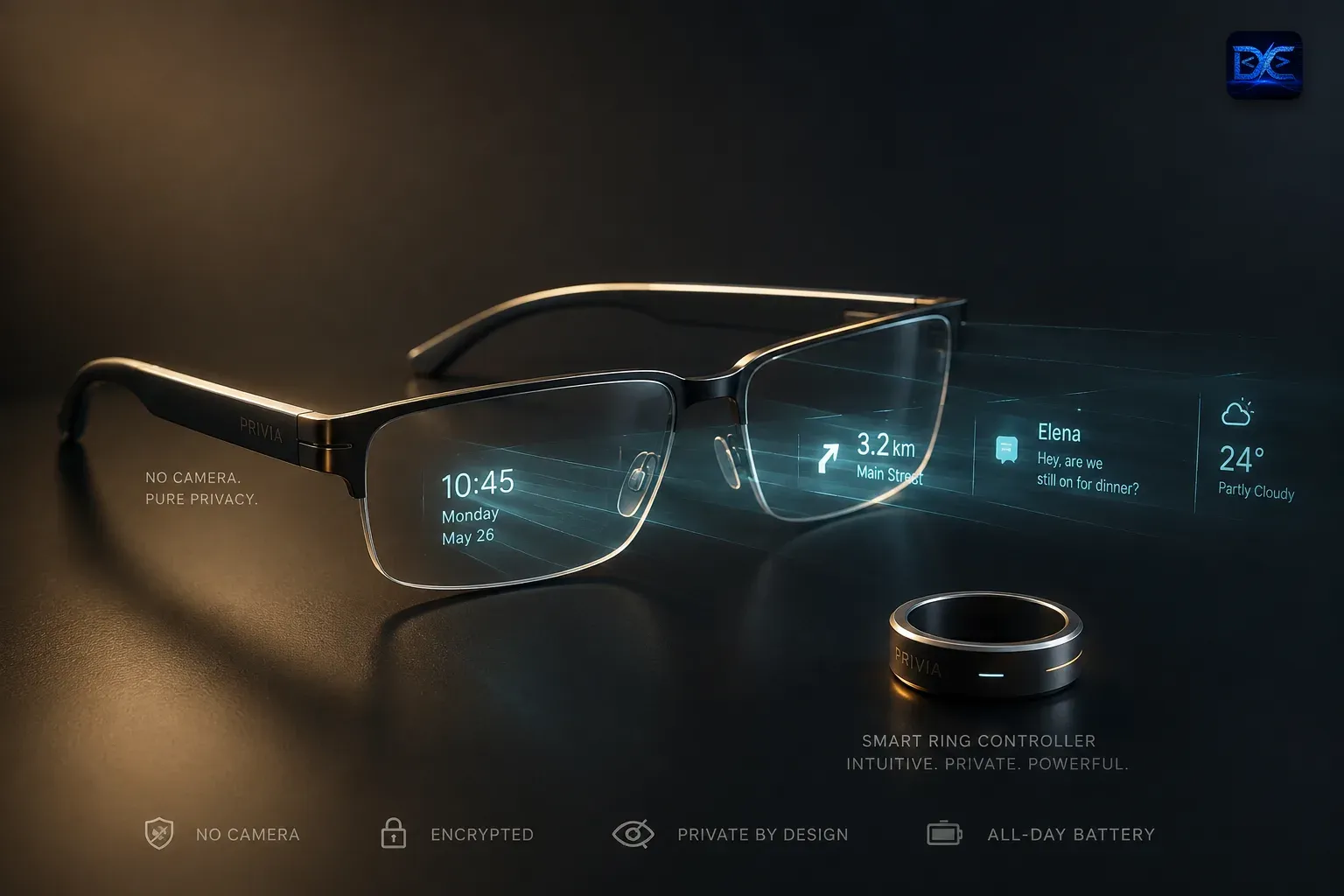
While Meta and Snap chase cameras and content capture, a three-year-old startup just became a unicorn by leaving the camera out entirely. On July 6, 2026, Even Realities — a Shenzhen-headquartered smart-glasses maker founded by ex-Apple engineers — confirmed a $150 million pre-Series B round led by Meituan and existing backer Tencent, valuing the company at $1 billion. Its bet: camera- free, display-first glasses that beam information into your line of sight without the privacy baggage of a face-mounted camera.
Fast-moving story. Funding terms, valuation and product details reflect reporting around July 6, 2026 and may be updated. Treat figures as point-in-time.
At a glance
| Detail | |
|---|---|
| Company | Even Realities (Shenzhen, founded 2023) |
| Round | $150M pre-Series B |
| Valuation | $1 billion (unicorn) |
| Lead investors | Meituan, Tencent (prior: Sequoia China) |
| CEO | Will Wang (ex-Apple; Apple Watch, iPhone) |
| Flagship | Even G2 — camera-free heads-up display |
| Controller | Even R1 companion ring |
| Price | $599 frames; ~$1,000 average order |
| Traction | 10,000+ pairs sold; >50% of users in the US |
The anti-camera pitch
Most smart glasses in 2026 are built around a camera and an assistant that captures the world. Even Realities is doing the opposite. CEO Will Wang — who worked on the Apple Watch and iPhone before founding the company in 2023 — argues that a display-first device that quietly surfaces information (notifications, navigation, translation) is both more useful day-to-day and far less invasive.
The flagship Even G2 uses a heads-up display with the company’s HAO (Holistic Adaptive Optics) system and is controlled by the Even R1 ring rather than a touch-heavy frame or a camera. Founders came not just from Apple but from luxury eyewear (including Lindberg), and it shows in the positioning: the frames retail for $599, and with prescription lenses or the ring the average order runs around $1,000.
Traction and who’s buying
Even says it became the first in its category to sell more than 10,000 pairs, and that momentum funded rapid scaling — staff grew from roughly 30-40 in 2024 to 300-400 today. Notably, more than half of its users are in the US, its fastest-growing market, with additional demand in Japan, South Korea, the Middle East and Europe. The buyer skews toward professionals aged 30-50, a meaningful share of them executives — a premium, utility-driven audience rather than early-adopter gadget hobbyists.
Taking on Meta
The round arrives just as Meta and Snap push camera-equipped smart glasses — and as those devices draw fresh scrutiny over privacy. Even’s camera-free design is a direct wedge: sell the convenience of a heads-up display while sidestepping the “is that thing recording me?” problem. Whether privacy-first is a durable moat or a temporary differentiator is the open question — but for now it’s earned the company unicorn status and two of China’s biggest tech names as backers.
Why it matters
1. A real strategic fork in wearables. Camera-first vs. display-first is now a genuine product debate, not a footnote. Even’s raise shows investors will fund the contrarian side.
2. Privacy as a feature, not an afterthought. By removing the camera entirely, Even turns a growing consumer anxiety into its core selling point — a template others may copy.
3. Chinese tech capital backing a Meta rival. Meituan and Tencent funding an ex-Apple team building against Meta underscores how global — and how contested — the smart-glasses race has become.
Bottom line
Even Realities just hit a $1 billion valuation on $150M by doing the one thing its biggest rivals won’t: skipping the camera. With ex-Apple leadership, a premium eyewear sensibility, 10,000+ pairs sold and a US-heavy user base, it’s positioning the display-first, privacy-first glasses as the grown-up alternative to Meta’s camera-led vision. The wearables war just got a clear second front.
Sources: Reporting from TechCrunch, CNBC, The Next Web and Quartz on Even Realities’ July 6, 2026 funding round. Round terms and product details are point-in-time and may be updated.
Related articles
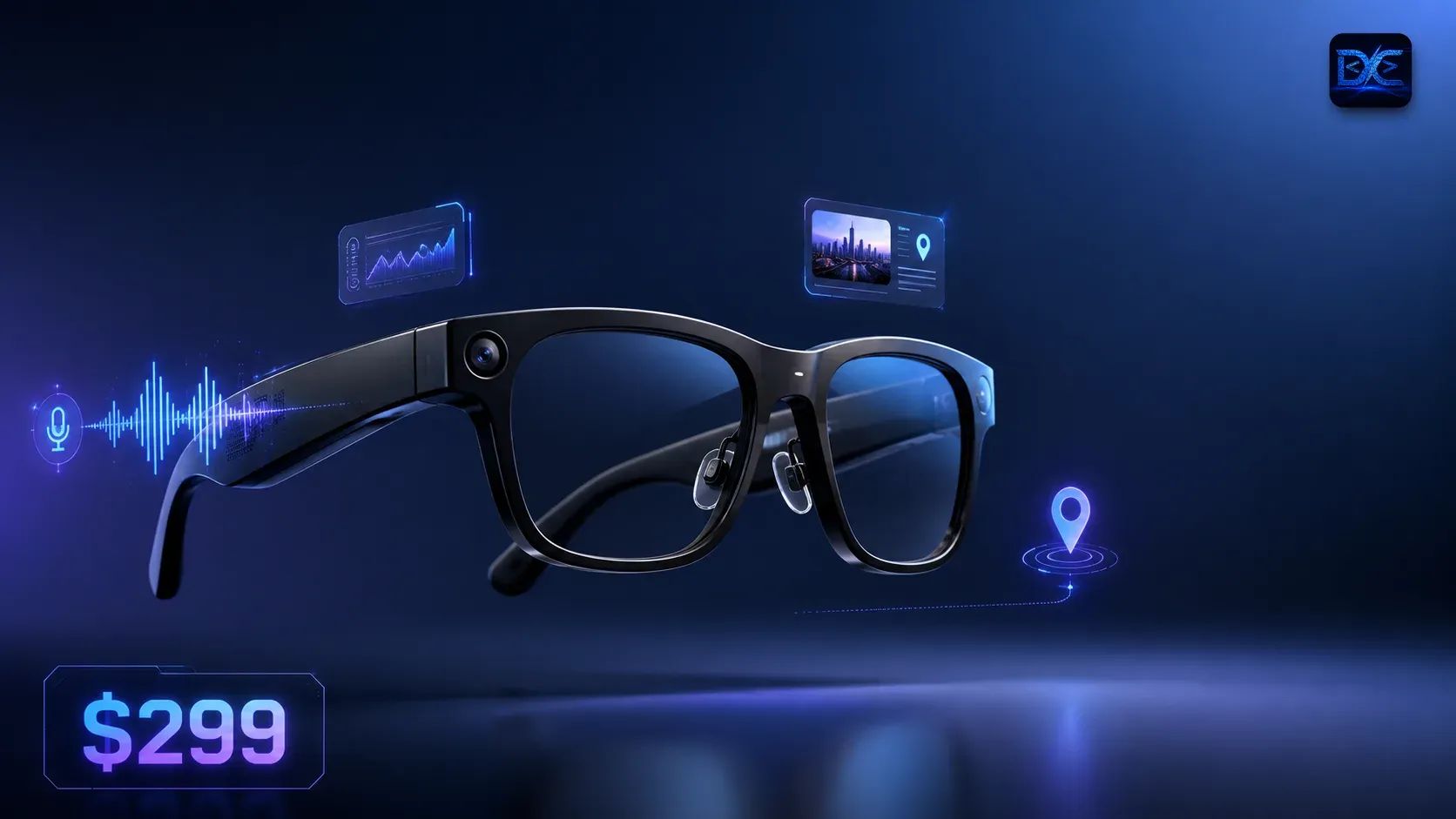
Meta Goes Solo on Smart Glasses: $299 'Meta Glasses' Undercut Ray-Ban
Meta launched its first self-branded smart glasses on June 23, 2026, starting at $299 — cheaper than its Ray-Ban models. The Meta Glasses pack a 12MP camera, open-ear speakers, and built-in Meta AI, with multiple models planned for 2026. Here's the lineup, the specs, and why Meta is dropping the price.

Microsoft Cuts 4,800 Jobs and Guts Xbox in a 'Painful Reset' for AI
Microsoft is cutting roughly 4,800 jobs (about 2.1% of its workforce) on July 6, 2026, with Xbox facing up to 3,200 cuts over the next year and four studios — Ninja Theory, Undead Labs, Compulsion Games and Double Fine — divested. Here's what happened, who's affected, and why it's framed as an AI-spending reset.

SK Hynix's ~$29B Nasdaq Debut: Cashing In on the AI Memory Boom
SK Hynix is launching one of the largest-ever foreign listings on Nasdaq — up to ~$29 billion via ADRs (ticker SKHY), with a debut targeted for July 10, 2026. The world's top HBM supplier is tapping US AI investors to fund memory-capacity expansion. Here's the offering, the AI backdrop, and where the money goes.
Have a project or an idea?
We don't just write about software — we build it. Tell us what you're working on and we'll get back within 1–2 business days.